
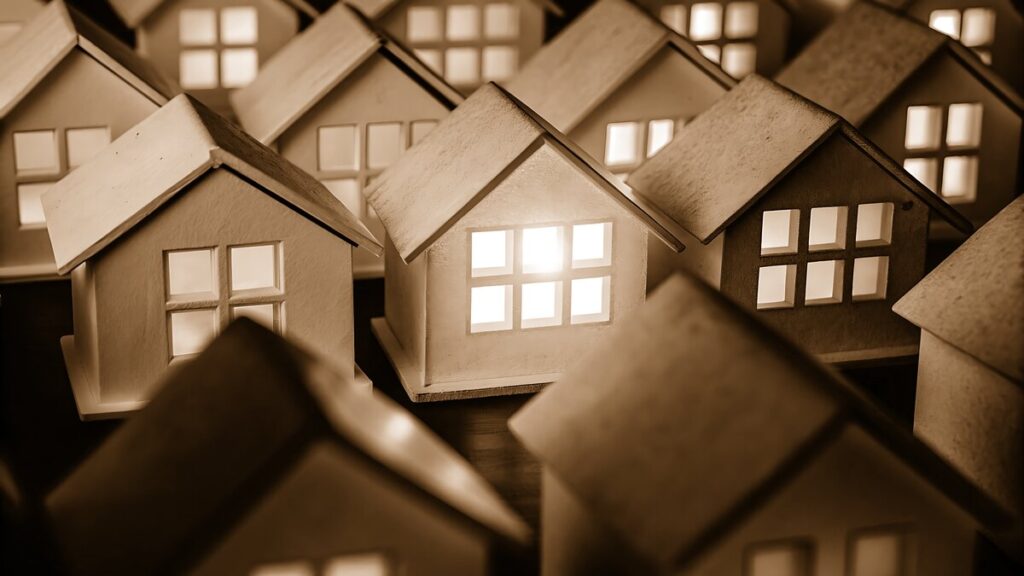
Nestled in the heart of Hollywood, Florida, the Carriage neighborhood rarely seeks the spotlight. Instead, it shines through its quiet streets, friendly faces, and a history thick with character. To stroll down Carriage Drive or weave through the shaded lanes bordering North Park Road, is to glimpse decades of local pride and transformation. For residents and admirers alike, Carriage offers a rich tapestry of stories and architectural charm that set it apart as one of Hollywood’s most beloved enclaves.
Origins of the Carriage Neighborhood
The story of Carriage begins in the optimistic years following World War II. As returning veterans and their families flocked to South Florida seeking sunny new beginnings, Hollywood’s developers responded with thoughtfully planned communities. Carriage, established in the late 1950s, carved out its identity as a tranquil refuge meant for families—offering something a little different from the nearby, bustling boulevards.
The neighborhood took its name from the Carriage-style homes popular during its earliest phase. Characterized by gabled roofs, brick accents, and inviting porches, these residences were inspired by a blend of American Colonial and Southern architectural motifs. The “Carriage” moniker also evoked a bygone sense of community and movement—the idea of neighbors greeting each other from their driveways, children riding their bikes down quiet loops, and families gathering on front lawns.
Key Historical Milestones
The heart of Carriage’s history beats in its defining moments:
- 1958-1962: The initial wave of homes broke ground, mainly along Carriage Drive and its offshoots. Original marketing brochures, now beloved collectors' items, highlighted “tree-lined streets” and “room for gardens and laughter.”
- 1970s: With Hollywood’s explosive growth, Carriage remained a steady oasis. The foundations for today’s Carriage Park—a cozy green space at the corner of North Park Road and Arthur Street—were laid. Residents banded together to protect the area’s walkable charm, successfully petitioning for lower speed limits and new sidewalks.
- 1984: The Carriage Neighborhood Association formed, uniting homeowners in efforts to preserve historic features and host community potlucks—a tradition that continues today every spring under the boughs of sprawling live oaks.
- 1992: Hurricane Andrew sent shockwaves through all of South Florida, but Carriage’s homes largely endured. Stories still circulate about neighbors sharing generators and grilling meals for each other on blacked-out evenings.
Notable Landmarks and Buildings
While Carriage is predominantly residential, a few spots are woven into its communal DNA:
- Carriage Park: Tucked away yet well-loved, Carriage Park is the pulse of weekend activity. Its modest playground, shaded benches, and native landscaping reflect the understated pride of the neighborhood.
- The Historic Carriage House: On the corner of Carriage Drive and Polk Street stands a beautifully preserved 1961 carriage house, once part of a local family’s homestead. Painstakingly restored, it now serves as a petite local history museum, displaying photographs and memorabilia—including a hand-painted “Welcome to Carriage” sign from the early days.
- North Park Road Greenway: Bordering Carriage’s western edge, this leafy corridor connects residents to Hollywood’s broader network of parks and is a favorite for morning joggers and dog-walkers.
How the Neighborhood Has Evolved
Carriage has gracefully blended vintage charm with modern sensibilities, adapting while keeping its heart intact. In the 1990s and early 2000s, as Hollywood became more cosmopolitan, the neighborhood saw a fresh influx of young families drawn to its friendly vibe and sturdy homes. Many residents renovated their properties, updating kitchens and patios but retaining signature elements like brick paths and carriage lamps. During the real estate boom of the mid-2000s, Carriage’s homes proved especially desirable for their lot sizes and walkability.
But evolution in Carriage isn’t just about buildings—it’s about bonds. The annual Halloween parade, once just a handful of costumed kids and doting parents, now draws dozens of families from surrounding blocks. The tradition of “porch nights”—impromptu gatherings with music and lemonade—remains a cherished ritual, old-school neighborliness alive and well in modern times.
The neighborhood’s proximity to revered local institutions—like Hollywood Central Elementary School and TY Park—continues to attract families. And while development and change are inevitable, Carriage’s residents have championed thoughtful growth—working with the city to maintain tree canopies, protect green spaces, and nurture the spirit that’s always set this nook apart.
Why Carriage Remains Special
Ask any longtime resident what they love about Carriage, and the answers ring true through generations:
- A sense of connection—where a walk around the block offers half a dozen hellos.
- Pride in history—each home telling a story, each street shaded by decades-old trees.
- Community traditions—annual block parties, art shows, and seasonal gatherings in Carriage Park.
- Proximity—being close to both the vibrant downtown area and the serene greenspaces of Hollywood.
In Carriage, time seems to move at a gentler clip. Here, history isn’t just preserved in buildings—it’s alive in everyday life, in the interplay of tradition and progress, and in the steadfast warmth that makes everyone feel right at home.
Explore Carriage’s Heritage for Yourself
Whether you’ve lived here for decades or are discovering Carriage for the first time, the neighborhood’s rich history, welcoming spirit, and well-loved landmarks offer a glimpse of Hollywood, FL at its finest—a living testament to the power of community and continuity. Next time you find yourself beneath the shade of a grand old oak on Carriage Drive, pause to listen; you’ll hear the echoes of generations, and the promise that Carriage’s story is far from over.